Growth
What Are ChatGPT Ads? Everything Advertisers Need to Know in 2026
ChatGPT ads are here. Learn how they work, who sees them, what they cost ($60 CPM), ad formats, targeting, and how to start advertising on ChatGPT in 2026.
6 min read
What Are ChatGPT Ads? Everything Advertisers Need to Know in 2026
OpenAI has officially announced that ads are coming to ChatGPT. With 900 million weekly active users and 95% on the free tier, this is the biggest new advertising channel since early Facebook and Google Ads.
Whether you're a marketer, e-commerce brand, B2B SaaS company, or agency, here's everything you need to know about ChatGPT ads.
What Are ChatGPT Ads and How Do They Work?
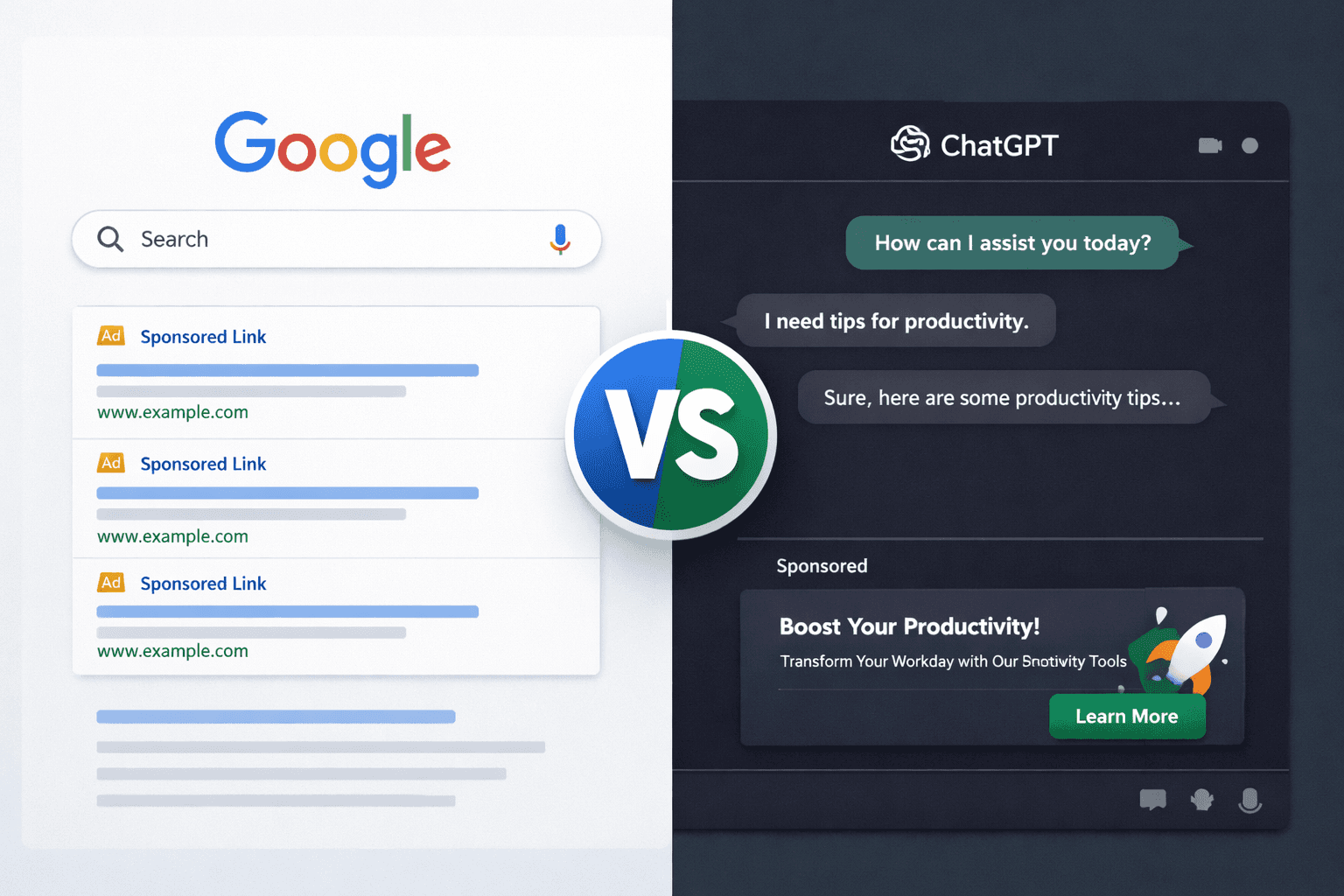
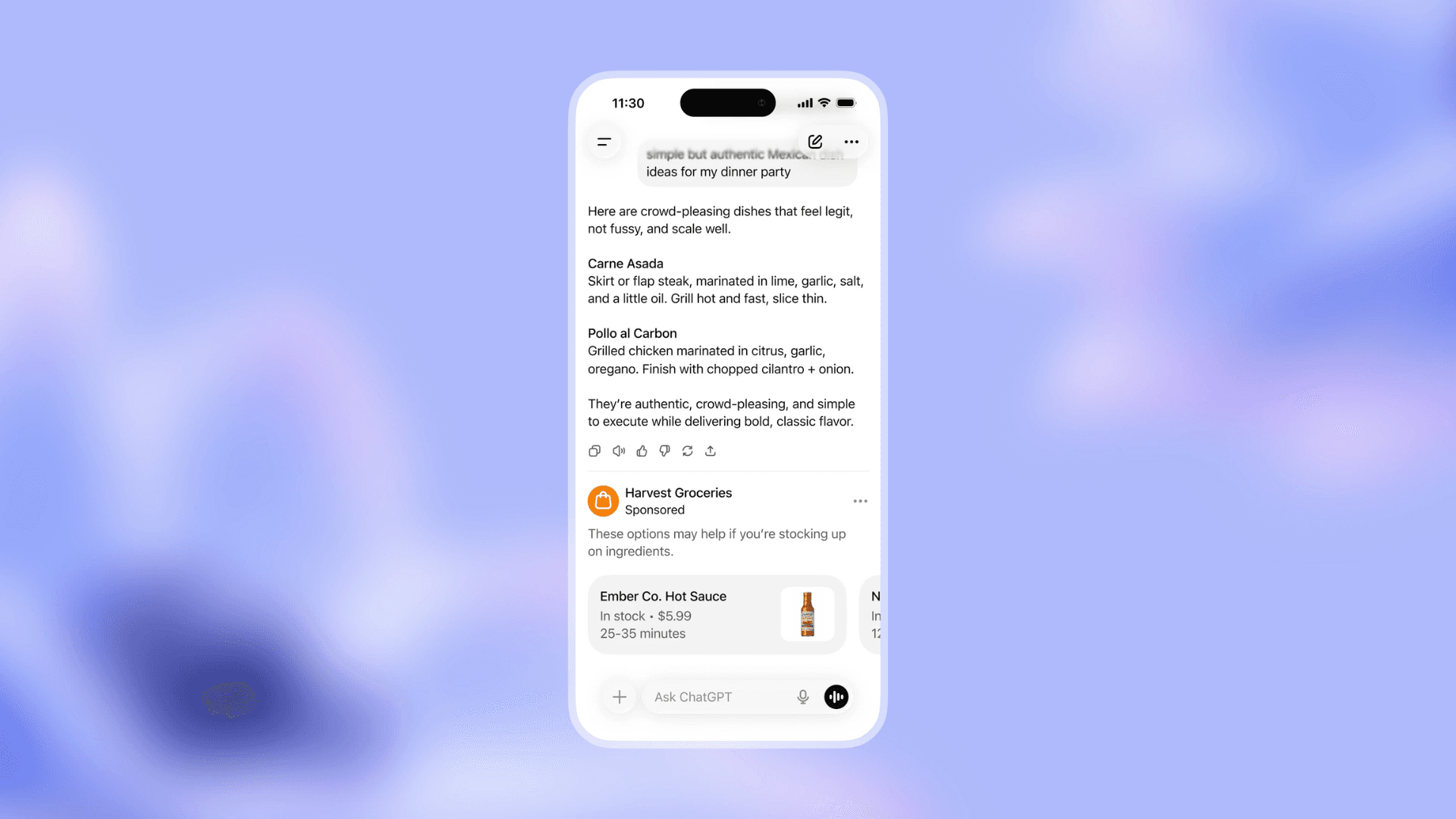
ChatGPT ads are sponsored placements that appear within ChatGPT conversations. When a user asks a question, relevant ads appear at the bottom of the AI's response. They are clearly labeled as "Sponsored" and separated from the organic answer.
Unlike traditional search ads where you bid on keywords, ChatGPT ads are contextually matched to the full conversation the user is having. If someone asks "What's the best CRM for small teams?", a CRM company's ad could appear below the answer.
The key difference from Google is that ChatGPT doesn't just know what you searched. It knows the full context of WHY you're searching, your situation, your preferences, and what you've already tried.
Who Sees ChatGPT Ads?
OpenAI has been clear about which users will see ads:
Will see ads:
Free tier users (the vast majority, over 95% of ChatGPT's 900M+ weekly users)
Go tier users ($8/month plan)
Will NOT see ads:
Plus subscribers
Pro subscribers
Business subscribers
Enterprise subscribers
What Do ChatGPT Ads Look Like?
The first ad format being tested is a sponsored product card that appears at the bottom of ChatGPT's answer. It includes a headline, description, and link, all visually separated from the organic response.
OpenAI has hinted at future formats including conversational ads where users can ask questions directly to the brand before making a purchase decision. They've also partnered with Shopify for in-chat checkout integration.
How Much Do ChatGPT Ads Cost?
ChatGPT ads are currently priced at approximately $60 CPM (cost per thousand impressions). For comparison:
Meta ads average $10-15 CPM
Google Display averages $2-5 CPM
Google Search averages $20-50 CPM for competitive keywords
The $60 CPM is premium pricing, but the conversion potential is significantly higher because users are actively researching and making decisions, not passively scrolling a feed.
What Are OpenAI's Ad Principles?
OpenAI published five principles governing ChatGPT advertising:
1. Answer independence. Ads do not influence the answers ChatGPT gives. Responses are optimized for helpfulness, never for advertising revenue.
2. Conversation privacy. Conversations are kept private from advertisers. OpenAI never sells user data to advertisers.
3. Choice and control. Users can turn off ad personalization and clear their ad data at any time.
4. Mission alignment. Advertising supports OpenAI's mission of making AI accessible to everyone.
5. Long-term value. OpenAI prioritizes user trust over revenue and does not optimize for time spent in ChatGPT.
Additionally, ads will NOT appear near conversations about health, mental health, or politics.
Why Are ChatGPT Ads Such a Big Opportunity?
How Does ChatGPT Ad Targeting Compare to Meta and Google?
ChatGPT combines the best of both worlds.
Meta's strength is deep personal data like demographics, interests, and behaviors. But Meta ads interrupt users who aren't looking to buy. Google's strength is intent, since users are actively searching. But Google only knows the search query, not the full context.
ChatGPT has both. It knows who the user is from conversation history AND what they're actively looking for right now, including the full context of their situation.
Why Should I Advertise on ChatGPT Early?
New ad platforms always follow the same pattern. Early advertisers get low costs and high conversion rates because there's little competition. Large enterprises are slow to adopt new channels because they need months of internal approval, legal review, and budget reallocation. This creates a window for small and medium businesses to dominate.
This is exactly what happened with early Facebook advertisers in 2012-2014 and early Google advertisers in 2002-2005. Those who moved first built massive businesses at a fraction of today's costs.
What Types of Businesses Should Advertise on ChatGPT?
ChatGPT ads are especially powerful for:
B2B SaaS companies. Users ask ChatGPT for software recommendations like "What project management tool should I use for my remote team?"
Professional services. Lawyers, consultants, financial advisors, agencies.
Education and info products. Online courses, coaching, certification programs.
E-commerce with complex products. Products that require research before buying.
Health and wellness. Supplements, clinics, wellness programs (though health-related ad restrictions may apply).
What Is the Biggest Problem with ChatGPT Ads?
The biggest issue advertisers face is that OpenAI provides no conversion tracking.
At $60 CPM, you need to know if impressions are turning into sales. But OpenAI only provides "high-level" metrics like views and clicks. They won't tell you:
Which ad led to a purchase
How much revenue your ChatGPT ads generated
What your return on ad spend (ROAS) is
Whether a visitor who clicked your ad last week came back and bought today
This is like running Facebook Ads without the Meta Pixel. You know people saw your ads, but you have no idea if they became customers.
How Do I Track ChatGPT Ad Conversions?
Since OpenAI won't provide conversion tracking, you need a third-party tracking pixel. A pixel is a small JavaScript snippet installed on your website that detects where visitors came from and what they do.
The flow works like this:
User sees your ad in ChatGPT and clicks it
They land on your website
The pixel detects they came from ChatGPT (via browser referrer)
The pixel tracks their journey on your site
If they convert (purchase, signup, demo request), the pixel records it
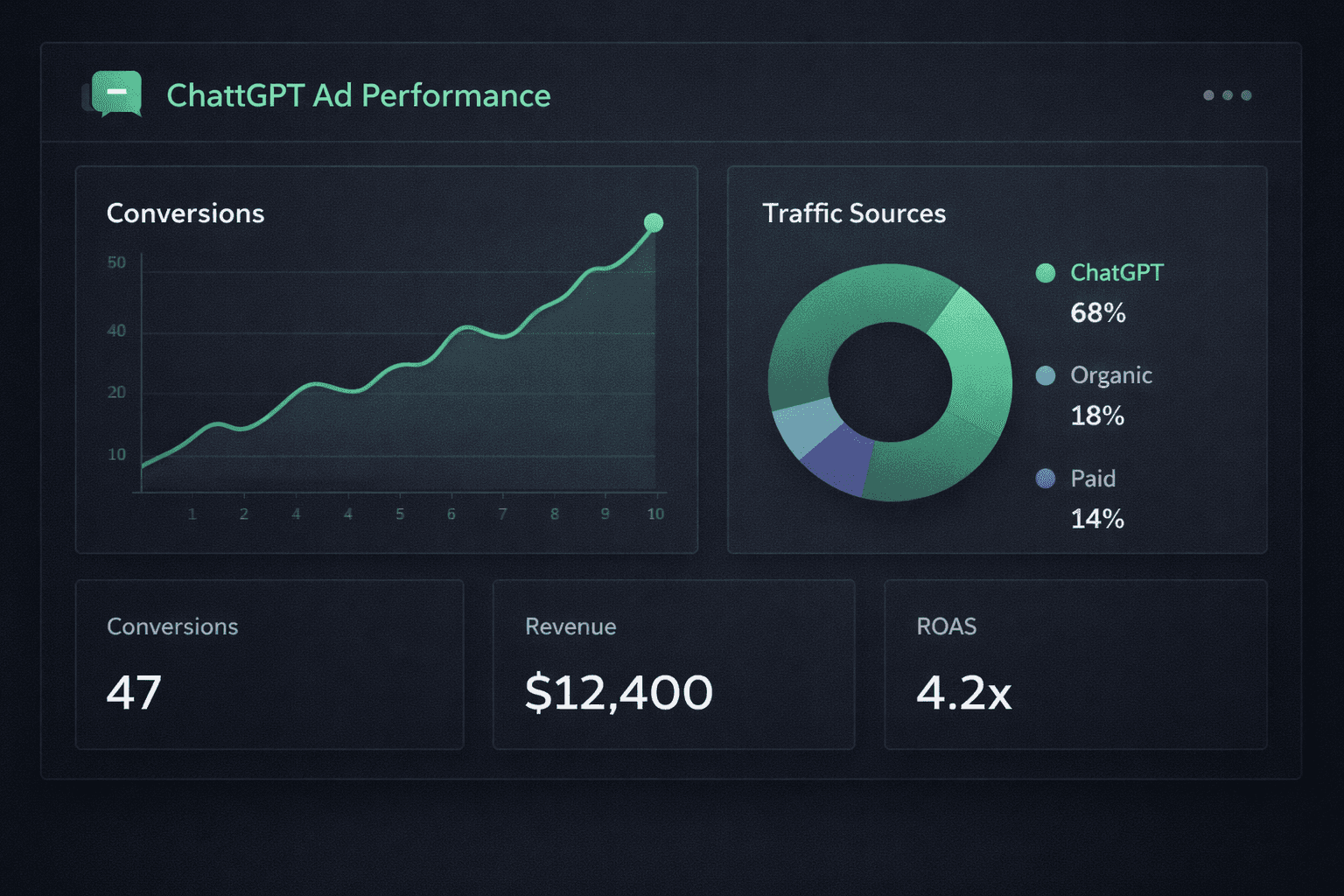
Your dashboard shows conversions, revenue, and ROAS from ChatGPT
AdConvo is the first platform with a tracking pixel built specifically for ChatGPT ads. It gives you the conversion data that OpenAI refuses to provide.
How Do I Prepare for ChatGPT Ads?
Here's a step-by-step preparation plan:
Step 1: Research questions your customers ask AI. Understanding which conversations trigger relevant ads is the foundation of your strategy.
Step 2: Study competitor ads. See what's already working in your industry before you spend a dollar.
Step 3: Create ad copy designed for conversational context. ChatGPT ads need to feel natural alongside AI responses, not like traditional banner ads.
Step 4: Set up conversion tracking. Install a tracking pixel on your website so you can measure ROI from day one.
Step 5: Move fast. The early mover window won't last. Once big brands flood in, costs rise and competition intensifies.
What Tools Help Me Advertise on ChatGPT?
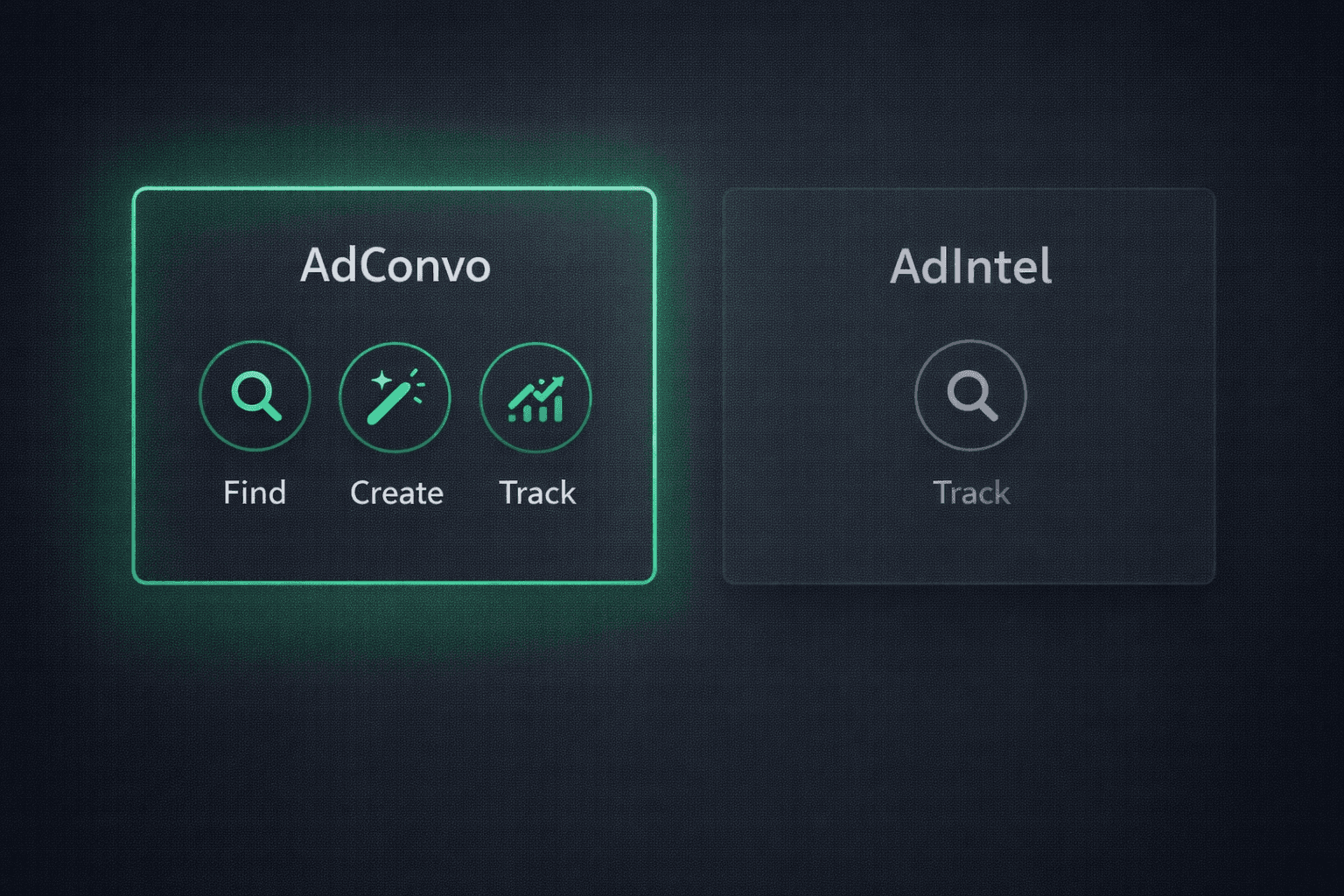
AdConvo.ai is the first platform built for ChatGPT advertising. It combines three tools in one:
Find. Spy on competitor ads through a crowdsourced Chrome extension and ad library.
Create. Generate winning ad copy with AI by analyzing your website.
Track. Measure conversions with the only tracking pixel for ChatGPT ads.
Think of it as SpyFu + AdCreative.ai + Triple Whale, but built specifically for ChatGPT ads.
Join 500+ businesses on the AdConvo waitlist →
Last updated: February 2026
View more articles
Learn actionable strategies, proven workflows, and tips from experts to help your product thrive.